Business Name: FootPrints Home Care
Address: 4811 Hardware Dr NE d1, Albuquerque, NM 87109
Phone: (505) 828-3918
FootPrints Home Care
FootPrints Home Care offers in-home senior care including assistance with activities of daily living, meal preparation and light housekeeping, companion care and more. We offer a no-charge in-home assessment to design care for the client to age in place. FootPrints offers senior home care in the greater Albuquerque region as well as the Santa Fe/Los Alamos area.
4811 Hardware Dr NE d1, Albuquerque, NM 87109
Business Hours
Monday thru Sunday: 24 Hours
Facebook: https://www.facebook.com/FootPrintsHomeCare/
Instagram: https://www.instagram.com/footprintshomecare/
LinkedIn: https://www.linkedin.com/company/footprints-home-care
Families hardly ever plan for care needs on a calendar. A fall, a new medical diagnosis, or a slow drift of lapse of memory forces choices that feel both urgent and permanent. I have actually sat at numerous kitchen tables with adult kids and aging moms and dads, taking a look at the exact same crossroads: keep Mom at home with assistance, or assist her relocation into a community with personnel on website. Both senior home care and assisted living can use security, dignity, and relief. They simply fix various issues in various methods. Comprehending those distinctions makes the choice clearer, and it helps you make a strategy that fits not just care requirements but likewise personality, budget plan, and family rhythms.
What "home" really implies in care decisions
Most older adults wish to remain where they are. The familiar blue armchair, the afternoon light through the kitchen area window, neighbors who wave, the routines of mail and coffee, all carry weight. Senior home care honors that wish by bringing services to the person rather than moving the individual to the services. An experienced senior caregiver visits to assist with bathing, dressing, meals, and light housekeeping. Some households bring in home care service a few hours at a time, others utilize it around the clock.
Assisted living, by contrast, is a move to a residential community where individual care and assistance are readily available 24 hr a day. Homeowners reside in private apartments or suites, but meals, activities, and care are organized at the community level. Consider it as a hybrid: your own living space plus a hospitality layer, with staff nearby when needed.
Both techniques can work well, but they feel various. One is you-centered and versatile, the other is environment-centered and structured. Individual preference matters as much as the care task list.
Care scope and medical limits
Senior home care and assisted living both deal with activities of daily living: bathing, grooming, dressing, toileting, movement, meal assistance, and medication reminders. The edges show up when care gets complex.
With at home senior care, you can build a customized team. If Dad needs injury care two times a week and companionship most afternoons, a nurse can come for skilled jobs while a caretaker handles support. If movement modifications, you include a transfer board or a lift and adjust schedules. Home enables you to scale up or down in small increments. The restriction is staffing connection and guidance. Agencies do background checks, training, and scheduling, however everyday oversight depends on visit notes, family observation, and occasional nurse guidance. You can accomplish a high level of care in your home, yet it takes coordination and, at times, devices that needs to fit the living space.
Assisted living uses a standing care group, which helps when requires modification at odd hours. A nurse is typically on website or on call, caregivers exist 24/7, and there is an established system for examining citizens. Nevertheless, assisted living is not a medical facility. A lot of communities can not offer continuous two-person transfers, intricate ventilator care, or extensive behavioral management. As dementia or health conditions development, residents might require to move once again to a memory care unit or skilled nursing. To put it simply, assisted living handles moderate requirements regularly, with clear ceilings.
An anecdote that might help: a customer of mine, a retired teacher with Parkinson's, began with two hours of home care in the morning for bathing and breakfast, plus two hours at dinner. For practically 2 years, that cadence worked. When nighttime falls and freezing episodes increased, the household included a brief overnight check. That would have been a larger regular monthly dive in assisted living, which charges for greater levels of help. On the flip side, another client, a widower with diabetes and early dementia, began to mismanage medication in the afternoon. His daughter tried staggered home check outs, however he would opt for strolls and miss them. Assisted living resolved the problem since staff could find him down the hall, redirect him, and keep a consistent routine.
Costs in the real world, not the brochure
Families ask about rate first, and they should. However the right frame is overall expense for the care you require, not just the base rate or per hour figure.
Home care is usually billed by the hour. Nationally, non-medical in-home care averages roughly 28 to 40 dollars per hour, depending upon region, caregiver credentials, and schedule complexity. Rates go up for over night care, last-minute changes, or specialized dementia care. That sounds simple until you multiply. 4 hours a day, five days a week is frequently workable. Twenty-four-hour coverage can surpass normal assisted living expenses by two or 3 times. You still pay your family bills - rent or home loan, energies, food, upkeep - though some expenses can drop if the caregiver cooks or shops efficiently.
Assisted living normally quotes a month-to-month base lease for the home, then adds a care strategy fee connected to evaluated needs. The base may consist of meals, housekeeping, activities, transportation, and light help. As care levels increase, the month-to-month rate increases. When comparing, request a sample care plan based on your particular jobs: number of transfers daily, incontinence care, medication management, and redirection for amnesia. Likewise inquire about rate increases, which frequently occur yearly, and any neighborhood charges at move-in. The surprise families come across is that the "beginning at" number on the sales brochure seldom matches the very first invoice due to the fact that care services add up.
Financial help can tilt the equation. Long-lasting care insurance coverage might repay for both in-home care and assisted living, however policy activates differ. Veterans Help and Attendance can aid with either alternative if eligibility requirements are satisfied. Medicaid coverage varies by state, with home and community-based waivers sometimes covering in-home care or assisted living fees in part. If you are evaluating expense, make a side-by-side that consists of the complete picture for one month, 3 months, and a year. Needs rarely remain static.
Daily life, rhythm, and autonomy
Beyond jobs and cash, consider the feel of a normal Tuesday. In-home care maintains your routines. If your mother enjoys early breakfast and late-night crossword puzzles, caretakers work around that. Animals sit tight, next-door neighbors still knock, favorite church or clubs stay in play. This autonomy features the need for more self-initiation or family coordination. If you want more social time, you need to grab it - senior centers, adult day programs, pastime groups, visiting friends.
Assisted living trades some privacy for built-in activity and safety. Meals at set times motivate interacting socially, there are workout classes, movie nights, discussion groups, and often on-site clinics or treatment. It can be a lifesaver for somebody who has actually become separated in the house. The structure assists with medication timing and nutrition since it takes place on schedule. The trade-off is flexibility. Meal times and activity calendars are set. Staff knock before entering, however there are more touches throughout the day. For some, that feels encouraging. For others, it feels watched.
A couple I dealt with illustrates this distinction. They resided in a small bungalow packed with decades of travel keepsakes. He had moderate cognitive problems and a persistent independent streak. She enjoyed to prepare and tend her roses. With senior home care, a caretaker can be found in the early morning to help him shower and to bring laundry, then another swung by late afternoon to prep dinner if she felt tired. Their life stayed theirs. Two years later on, after a small kitchen area fire and repeated forgotten medications, they picked assisted living. He required to the men's poker group right away. She missed her increased trellis but admitted she enjoyed not planning three meals a day. The rhythm changed, and so did their stress.
Safety and the integrated environment
Home security depends on the home itself. Stairs, narrow corridors, throw carpets, high tubs, and mess complicate care. Lots of households can address these with grab bars, brighter lighting, a shower chair, a hand-held shower, non-slip flooring, and a few furniture changes. Ramps and stair lifts assistance where budget plans permit. The win is connection. The threat is that an older home may never totally satisfy movement needs or permit the installation of equipment like a Hoyer lift without renovation.
Assisted living structures are created from the ground up for accessibility: broad passages, elevators, emergency pull cords, walk-in showers with seating, good sightlines for staff, and protected courtyards for safe outside time. For dementia care, memory systems include controlled doors, circular walking courses, and visual hints for orientation. Safety comes standard, which minimizes the concern on families to retrofit. The limit appears when somebody wanders aggressively or presents unpredictable behavior; numerous basic assisted living communities will advise a memory care transition, where staff-to-resident ratios are greater and training is specialized.
Staffing, relationships, and continuity
In-home care provides one-on-one attention. When you discover the right senior caretaker, rapport can be impressive. I have actually seen caretakers master the specific method to hint a client to initiate an action, or how to place the tooth brush to bypass morning resistance. That relationship is the heart of elderly home care. Consistency, nevertheless, depends upon firm staffing depth, local labor markets, and how versatile the schedule is. Weekend protection can be more difficult to fill. A robust firm alleviates this with a small team technique so you are not satisfying a complete stranger each time someone hires sick.
Assisted living staffing is team-based. You may not always see the same face, however somebody is constantly there. The advantage is dependability. If one caregiver is hectic, another can respond. The disadvantage is that personal regimens can slip unless care strategies specify and strengthened. If you relocate to assisted living, invest time early in training the group about choices: the exact way to set up a CPAP, the favorite morning mug, the song that calms anxiety during showers. Compose it down, and ask to examine the care plan monthly for the first quarter. Great communities welcome that partnership.
Clinical escalation: when requires grow out of the setting
The concern that keeps families awake is what occurs when health declines. With in-home care, you can bring in hospice together with the caretaker, add physical therapy, or schedule a nurse for injury care. Numerous clients stay at home through completion of life with a strong group. The limiting elements are complexity and stamina. If someone requires two-person help for every single transfer, turns every 2 hours over night to avoid skin breakdown, and overall feeding support, home care becomes labor-intensive and pricey unless there is family bandwidth.
Assisted living has a line it can not cross. The majority of communities allow hospice to come in. Many can deal with incontinence, moderate behaviors, or oxygen. Couple of can support total care with regular transfers or active wandering that threats elopement, and most will discharge to a memory care unit or experienced nursing when security can not be maintained. Ask direct concerns about "discharge activates" throughout your tour so you are not stunned later.
Emotional aspects and family logistics
Care is never just tasks. It is grief, commitment, guilt, relief, and enjoy wrapped in daily tasks. Home care can be a gentle bridge that preserves identity. It also keeps households more involved, due to the fact that the home stays the center. If you live nearby and like being hands-on, in-home care can be a perfect collaboration: caregivers do the heavy lifting, you manage medical appointments and the personal touches. If you live far or handle demanding tasks and childcare, coordinating schedules, meals, and home maintenance can become its own stress. Distance caretakers frequently sleep much better when staff are on website around the clock.
Assisted living can reset family functions. Adult children end up being visitors again rather of taskmasters, which can bring back heat to relationships that have torn under the weight of errands and reminders. The move itself can be emotional. Anticipate a messy very first month. I have actually seen homeowners who were determined they would never leave home fall for the art class by week 3. I have also seen the opposite. Usage trial remains when available, and visit at odd hours before you devote. The culture of a neighborhood shows up on a Tuesday at 4:30 pm, not simply throughout the Saturday tour.
What a common day looks like, both paths
Picture two 84-year-olds, both widowed, both with arthritis and mild memory loss.
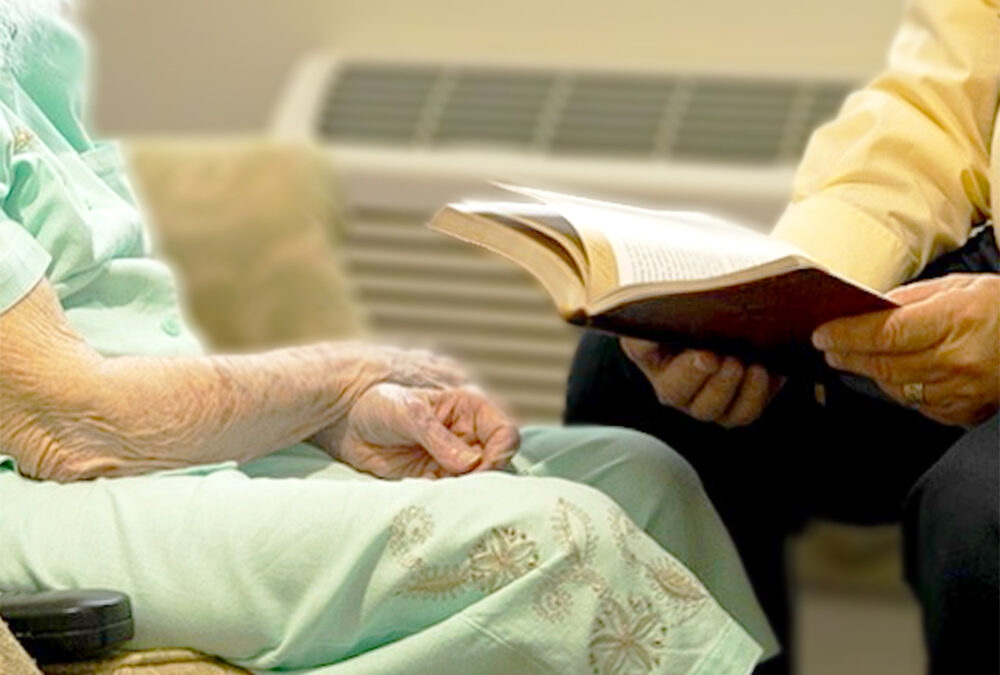
At home with senior home care: A caregiver arrives at 8 am, brews tea, sets out clothing, and aids with a shower utilizing a shower chair. After oatmeal and medication tips, they put a load of laundry on and walk the small dog. The caregiver writes notes on the white boards about lunch options. The client naps, enjoys a favorite documentary, and calls a next-door neighbor. In the afternoon, the caretaker returns to prep supper, check tablet boxes, and water plants. The child drops in on Saturday to handle mail and expenses. On Wednesdays, an adult day program includes structure and buddies, and transportation is organized. The home remains quiet, routines remain personal.
In assisted living: Breakfast is served in the dining-room from 7 https://simonddyr240.cavandoragh.org/senior-caregiver-burnout-when-assisted-living-may-be-the-better-alternative to 9 am. Personnel knock at 7:30, provide assist with dressing, and advise about the arthritis cream. After eggs and fruit with tablemates, there is chair yoga at 10, then a lecture on local history. Lunch is at 12, followed by a rest. At 2, the nurse delivers medications. The afternoon consists of a crafts group, then phone time with a grandson. Dinner at 5:30, a motion picture at 7, and personnel trigger for an evening shower. If she wakes at 2 am sensation uneasy, pushing the call pendant brings aid. The house is smaller sized than her old home, but the hallway is lively. Both days can be good days. The better one depends upon character and priorities.
Red flags that suggest a change is needed
Sometimes the choice is not between pleasant choices, but in between security and risk. If you see any of these patterns, review the present strategy rapidly and concretely:
- Frequent medication mistakes, such as missed out on doses or double dosing more than once a month Unintended weight loss of more than 5 to 10 percent over 6 months, or regular dehydration Falls or near-falls, specifically during the night or in the bathroom, despite basic security changes Social withdrawal that aggravates state of mind or cognition, or signs of caretaker burnout in the family Wandering, leaving ranges on, or other risks that can not be reduced with supervision
These signs do not automatically imply a move, however they do indicate the present assistance is thin. If you are using elderly home care currently, increase hours, include over night checks, or set it with adult day programs. If you remain in assisted living and requirements are still unmet, request a reassessment and a written strategy with timelines.
How to select sensibly when both might work
When households are on the fence, I propose a basic experiment. Build a 60-day plan for both paths and describe what would have to be true for each to be successful. For home care, map particular hours, who covers backup, and what devices is needed. For assisted living, list leading 3 neighborhoods, their base and care charges, house sizes, and culture fit. Then pressure-test both plans versus 2 truths: a hospitalization and a getaway. If Mom goes to the healthcare facility for 3 nights, which plan bends much better? If you as the main helper require a week away, which plan safeguards connection? The answer typically reveals preferences.
The very first month after any modification deserves extra attention. Anticipate small failures. An excellent company adjusts care tasks after the very first week if the shower approach stops working or the meal strategy goes unblemished. An excellent assisted living neighborhood reviews the care plan at 2 weeks and thirty days to modify meal seating, activity invitations, and medication timing. Lean into those feedback loops. They are the distinction in between a decent setup and a terrific one.
Practical money and documentation notes that typically get missed
Bring policies and legal files into the light early. If there is a long-term care insurance coverage, call the provider and request for the precise advantage sets off, elimination duration, day-to-day or regular monthly max, and whether advantages are indemnity or repayment. For home care, verify the firm supplies correct paperwork and caretaker visit notes needed for claims. For assisted living, ask if the community supports direct billing to insurance providers or if you must file.
If a veteran or making it through spouse, ask the county veterans service office about Help and Participation. Processing can take months, so begin early. For Medicaid, speak with an elder law attorney or a trusted social worker about eligibility and spend-down rules in your state. The earlier you map this, the less unpleasant surprises later.
Have resilient powers of attorney and health care proxies signed and available. In home care, the senior caregiver might require assistance on who to hire an emergency. In assisted living, the admissions package will ask for these files, and medical professionals will desire them on file.

The subtle value of time and energy
Families frequently undervalue the surprise cost savings of time. Home care done well can offer a spouse or adult kid back hours of rest and normalcy. A three-hour morning block that covers bathing, breakfast, and tidying frequently prevents caregiver burnout. Assisted living can return whole days by getting rid of the requirement to handle meals, housekeeping, and coordination. That gained back time has real value, even if it does not appear on a spreadsheet.
There is also the value of predictability. With in-home care, you select the caregiver's arrival time, and you can keep the doorbell from calling if a nap extends long. With assisted living, your loved one can push a call button at 2 am and know someone will come. Both forms of predictability lower anxiety, simply in various ways.
When home care complements assisted living
This is not always either-or. Many assisted living citizens employ short bursts of additional in-home care for targeted requirements. Examples include one-on-one companionship for someone who gets overwhelmed in groups, recovery support after a surgical treatment, or constant assist with individual care that feels more comfy with the exact same individual. Neighborhoods generally permit outside home care service with evidence of licensure and coordination. The blend can be cost-effective compared to stepping up to a higher community care tier, specifically if the requirement is temporary.
Likewise, families utilizing in-home care frequently utilize adult day programs 2 or 3 days a week to boost socialization without moving. Transport can be organized through the agency or local services, and the cost is typically lower than including the comparable caregiver hours at home.
An easy side-by-side for clarity
- Setting: Senior home care takes place in the existing home. Assisted living happens in a community home with on-site staff. Cost structure: Home care costs per hour, expenses scale linearly with hours, and you still cover home costs. Assisted living expenses monthly, with a base rate plus care levels. Flexibility: Home care is highly personalized, day by day. Assisted living deals consistent structure with less variability. Social life: In the house, socializing takes effort and planning. In assisted living, social opportunities are constructed in. Escalation: Home can manage high requirements with adequate support, however coordination and cost rise. Assisted living handles moderate requirements well, with defined limits and possible later moves.
Final ideas from the field
If your moms and dad or partner illuminate at the concept of remaining in their chair, hearing the same birds at dawn, and keeping their pet, begin with in-home care. Develop it gradually, choose caregivers with intent, and make your home much safer than you think you need. Usage respite care if you are the primary helper. Reassess quarterly, and be honest about your own energy.
If solitude, missed medications, or meal refusal are the daily battles, or if you as the household feel one crisis far from collapse, tour assisted living neighborhoods with an open mind. Focus on personnel period, how locals engage when nobody is "performing," the odor near the dining-room, and the tone of the front desk at shift modification. Ask homeowners what shocked them after moving in. Their responses teach.
Neither path is failure. Both are care, both can be caring, and both can change with time. The best option is the one that aligns with the person's values while satisfying genuine needs. Use the tools at hand - senior home care, assisted living, adult day programs, hospice, therapy - to craft care that fits like a well-worn coat. That fit matters, and it shows in little methods: an easier breath after the shower, a warm plate at a table with names, a daughter who finally sleeps through the night.
FootPrints Home Care is a Home Care Agency
FootPrints Home Care provides In-Home Care Services
FootPrints Home Care serves Seniors and Adults Requiring Assistance
FootPrints Home Care offers Companionship Care
FootPrints Home Care offers Personal Care Support
FootPrints Home Care provides In-Home Alzheimer’s and Dementia Care
FootPrints Home Care focuses on Maintaining Client Independence at Home
FootPrints Home Care employs Professional Caregivers
FootPrints Home Care operates in Albuquerque, NM
FootPrints Home Care prioritizes Customized Care Plans for Each Client
FootPrints Home Care provides 24-Hour In-Home Support
FootPrints Home Care assists with Activities of Daily Living (ADLs)
FootPrints Home Care supports Medication Reminders and Monitoring
FootPrints Home Care delivers Respite Care for Family Caregivers
FootPrints Home Care ensures Safety and Comfort Within the Home
FootPrints Home Care coordinates with Family Members and Healthcare Providers
FootPrints Home Care offers Housekeeping and Homemaker Services
FootPrints Home Care specializes in Non-Medical Care for Aging Adults
FootPrints Home Care maintains Flexible Scheduling and Care Plan Options
FootPrints Home Care is guided by Faith-Based Principles of Compassion and Service
FootPrints Home Care has a phone number of (505) 828-3918
FootPrints Home Care has an address of 4811 Hardware Dr NE d1, Albuquerque, NM 87109
FootPrints Home Care has a website https://footprintshomecare.com/
FootPrints Home Care has Google Maps listing https://maps.app.goo.gl/QobiEduAt9WFiA4e6
FootPrints Home Care has Facebook page https://www.facebook.com/FootPrintsHomeCare/
FootPrints Home Care has Instagram https://www.instagram.com/footprintshomecare/
FootPrints Home Care has LinkedIn https://www.linkedin.com/company/footprints-home-care
FootPrints Home Care won Top Work Places 2023-2024
FootPrints Home Care earned Best of Home Care 2025
FootPrints Home Care won Best Places to Work 2019
People Also Ask about FootPrints Home Care
What services does FootPrints Home Care provide?
FootPrints Home Care offers non-medical, in-home support for seniors and adults who wish to remain independent at home. Services include companionship, personal care, mobility assistance, housekeeping, meal preparation, respite care, dementia care, and help with activities of daily living (ADLs). Care plans are personalized to match each client’s needs, preferences, and daily routines.
How does FootPrints Home Care create personalized care plans?
Each care plan begins with a free in-home assessment, where FootPrints Home Care evaluates the client’s physical needs, home environment, routines, and family goals. From there, a customized plan is created covering daily tasks, safety considerations, caregiver scheduling, and long-term wellness needs. Plans are reviewed regularly and adjusted as care needs change.
Are your caregivers trained and background-checked?
Yes. All FootPrints Home Care caregivers undergo extensive background checks, reference verification, and professional screening before being hired. Caregivers are trained in senior support, dementia care techniques, communication, safety practices, and hands-on care. Ongoing training ensures that clients receive safe, compassionate, and professional support.
Can FootPrints Home Care provide care for clients with Alzheimer’s or dementia?
Absolutely. FootPrints Home Care offers specialized Alzheimer’s and dementia care designed to support cognitive changes, reduce anxiety, maintain routines, and create a safe home environment. Caregivers are trained in memory-care best practices, redirection techniques, communication strategies, and behavior support.
What areas does FootPrints Home Care serve?
FootPrints Home Care proudly serves Albuquerque New Mexico and surrounding communities, offering dependable, local in-home care to seniors and adults in need of extra daily support. If you’re unsure whether your home is within the service area, FootPrints Home Care can confirm coverage and help arrange the right care solution.
Where is FootPrints Home Care located?
FootPrints Home Care is conveniently located at 4811 Hardware Dr NE d1, Albuquerque, NM 87109. You can easily find directions on Google Maps or call at (505) 828-3918 24-hoursa day, Monday through Sunday
How can I contact FootPrints Home Care?
You can contact FootPrints Home Care by phone at: (505) 828-3918, visit their website at https://footprintshomecare.com, or connect on social media via Facebook, Instagram & LinkedIn
A visit to the ABQ BioPark Botanic Garden offers a peaceful, gentle outing full of nature and fresh air — ideal for older adults and seniors under home care.