Business Name: FootPrints Home Care
Address: 4811 Hardware Dr NE d1, Albuquerque, NM 87109
Phone: (505) 828-3918
FootPrints Home Care
FootPrints Home Care offers in-home senior care including assistance with activities of daily living, meal preparation and light housekeeping, companion care and more. We offer a no-charge in-home assessment to design care for the client to age in place. FootPrints offers senior home care in the greater Albuquerque region as well as the Santa Fe/Los Alamos area.
4811 Hardware Dr NE d1, Albuquerque, NM 87109
Business Hours
Monday thru Sunday: 24 Hours
Facebook: https://www.facebook.com/FootPrintsHomeCare/
Instagram: https://www.instagram.com/footprintshomecare/
LinkedIn: https://www.linkedin.com/company/footprints-home-care
Families in Albuquerque usually start looking for home care after something specific happens. A parent forgets to turn off the stove in the Heights. A next-door neighbor discovers an older adult wandering near Central and San Mateo, confused about how they arrived. A physician in Uptown carefully says, "It might be time to think of more help in the house."
Those moments are psychological and frequently urgent. Under the stress, it is simple to hurry a decision or feel pushed towards nursing homes or assisted living before exploring what is possible with in-home care. In truth, good at home senior care can often postpone or completely prevent center placement, particularly when it is customized to Albuquerque's climate, areas, and community resources.
This guide gathers what I have seen work for regional households over years of geriatric and care coordination work: how to understand your options, what elder care services actually look like inside somebody's home, and how to keep senior citizens not just safe, however nurtured and connected.
What "home care" actually indicates in Albuquerque
The term "home care" gets used for various services. When families call firms, they frequently inform me, "We require home care for my parents," but they are explaining really various situations.
Broadly, services fall under 2 classifications: non-medical home care and medical home health.
Non-medical home care (typically merely called in-home care or senior home care) focuses on daily living and quality of life. These services may include assist with bathing, dressing, meals, transport, light housekeeping, and companionship. They are usually paid privately, through long-lasting care insurance coverage, or sometimes through Medicaid waiver programs.
Home health care is clinical. It involves nurses, physical therapists, occupational therapists, or speech therapists coming into the home. Medicare typically covers this, however only when there is a qualifying medical need and a homebound status. This might follow a stroke, surgical treatment at Presbyterian or Lovelace, or a severe worsening of COPD or heart failure.
In practice, many Albuquerque senior citizens benefit from a mix. For example, a gentleman in the North Valley may receive Medicare-covered home health visits twice a week after a hospitalization, while a caregiver from a local Albuquerque home care firm comes 4 afternoons a week to aid with meals, bathing, and medication reminders. Understanding this distinction matters, because households sometimes assume "Medicare will spend for everything in the house." It seldom works that way.
How Albuquerque's truths shape senior care at home
A senior living in Nob Hill faces a different everyday reality than somebody in rural Edgewood or the far Westside. Regional conditions affect what sort of elder care plan makes sense.
Altitude, dry air, and chronic conditions
At roughly 5,000 feet and very low humidity, Albuquerque's environment is tough on older grownups with heart or lung illness. Dehydration creeps up quickly. Confusion, lightheadedness, and tiredness can worsen even with small fluid loss.
In-home senior care employees who understand this climate pay attention to:
- subtle signs of dehydration, such as dark urine, dry tongue, unusual drowsiness, or confusion that increases in the late afternoon the method altitude and dry air worsen COPD, asthma, or heart failure the requirement to trigger fluids throughout the day, not simply at meals
I once dealt with a retired instructor in the Northeast Heights who wound up in the health center 3 times in one summer for "weakness and confusion." Each time the main medical issue was dehydration worsened by diuretics, dry air, and merely not wanting to "bother" anyone for water. When her family added a caregiver whose standing job was to prepare small, regular beverages and track intake, her hospitalizations stopped.
Neighborhood layout and driving realities
Albuquerque is big and spread out. Many older grownups who move here to be closer to household undervalue how isolating it can feel once they stop driving. Bus routes do not dependably satisfy the needs of frail senior citizens. Night driving is particularly hard.
Lack of transportation can silently wear down safety and nutrition. Journeys to Smith's, Walmart, or Sprouts become uncommon. Medical professionals' visits are missed out on. A senior who once took pleasure in going to the community center in Barelas stays at home and ends up being more sedentary and lonely.
This is where in-home care transportation support becomes important. A caregiver can drive, escort, and advocate at appointments. In elder care preparation, I advise families to consider transport as a core part of care, not a side advantage. The difference in between being stuck at home and safely getting to church, the Senior Affairs center, or the barber is frequently the distinction between depression and engagement.
Crime, security, and living alone
Families typically ask, "Is it safe for Mom to live alone in Albuquerque?" The sincere response is, it depends. Property criminal activity, rip-offs, and periodic safety concerns exist here, as in any city. Seniors who live alone are at higher risk for both physical damage and financial exploitation.
In-home care can lower these threats in quiet but effective ways. Caregivers learn more about who "ought to" be at the door, notification suspicious calls or mail, and help set up safer habits such as never unlocking to strangers, utilizing peepholes or electronic cameras, and routing unidentified contact number to voicemail.
I have seen caregivers intercept presumed "grandchild in difficulty" rip-off calls, stop unnecessary charitable contributions that were draining pipes savings, and coach seniors through calling the bank about suspicious activity. That type of defense is difficult to attain through occasional family visits alone, specifically if adult kids live in Rio Rancho or out of state.
Cultural expectations and multigenerational families
Albuquerque has deep Hispanic and Native American roots, in addition to households from many other backgrounds. In much of these cultures, there is a strong expectation that household will care for seniors at home. That value is beautiful, however it can likewise end up being a quiet source of guilt and burnout.
I typically consult with children in the South Valley or Westside who are working full time, raising kids, and attempting day-and-night home take care of parents. They state things like, "We don't put our seniors in facilities," and yet they are hardly sleeping.
Professional in-home care can support these values instead of replace them. A thoroughly chosen senior home care company can supply aid during work hours, at night, or on weekends so family caregivers can rest, while parents remain in the family home. The best care plan respects cultural expectations and acknowledges that love alone is inadequate to lift a frail parent securely from bed, prevent pressure sores, manage diabetes, and keep the pantry stocked.
Key objectives: safe, nourished, and connected
When I sit down with families to plan home care for parents or grandparents, I keep 3 goals at the center: safety, nutrition, and social connection. Everything else streams from these.
Home safety goes beyond grab bars
People tend to picture home safety as physical modifications: grab bars by the toilet, non-slip mats, much better lighting. Those are useful, but they are insufficient on their own.
Risk climbs sharply when memory, judgment, and strength decline. I frequently discover, during a first home visit, that the biggest dangers are not what the household anticipates. Instead of loose carpets, it may be:
A senior who demands climbing an action stool to reach high cabinets.
Medications stored in 6 different locations, some ended, others duplicates.
A gas range left on "just for a minute" by somebody who then forgets it.
Professional caregivers, especially those familiar with elder care, are trained to notice and silently re-engineer these patterns. They may rearrange the kitchen so that frequently utilized products are at waist level, coordinate pillboxes with the pharmacist, or switch to more secure small home appliances. The most safe solutions are those that fit the older adult's habits and dignity, not simply what looks finest in a home safety checklist.
Nourishment is more than 3 meals a day
Malnutrition in senior citizens is common and frequently invisible. In Albuquerque, it is not always about lack of food gain access to. It can be about dry mouth from medications, dentures that do not fit, low appetite from depression, or the large exhaustion of cooking for one.
Consider an older woman in the International District living off cereal, coffee, and occasional fast food since chopping vegetables and washing dishes are too tough. On paper, she "has food." In truth, she is dropping weight, muscle, and energy, which increases her fall risk.
In-home care can attend to nutrition at numerous levels:
Caregivers can go shopping, prepare basic meals, and tidy up.
They can plate food in smaller, more enticing portions at the best temperature.
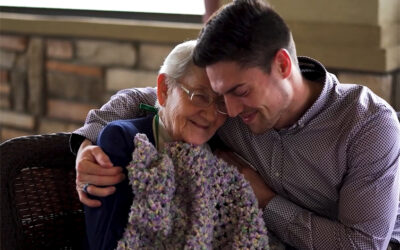
They can watch for patterns: Does the customer refuse meat? Do they cough while drinking, recommending a swallowing issue? Are they more ready to consume when somebody sits and talks with them?
In Albuquerque, there are also neighborhood supports such as Meals on Wheels of Albuquerque and meal programs at senior centers run by the Department of Senior Affairs. A good home care company need to know how to integrate these resources: possibly Meals on Wheels provides lunch, while the caregiver prepares breakfast and a night treat and makes sure hydration.
Connection: the remedy to peaceful decline
Loneliness in older grownups is not just a sad emotion. It correlates with higher rates of dementia, falls, and hospitalization. I see it most starkly when one spouse passes away after a 50 or 60 year marriage.
A widow in Taylor Ranch who once hosted household suppers every Sunday is unexpectedly alone in her house, unsure what to do with her afternoons. Adult children visit when they can, however tasks and children restrict their time. The television runs most of the day. Personal grooming starts to move. Cravings fades.
Companionship care can seem "optional" compared to personal care, but it typically makes the greatest distinction in long-term well-being. A caretaker might do the crossword with the customer, take an afternoon drive to see the mountains, or accompany them to a senior center workout class. I have seen senior citizens who hardly spoke start thinking back about youth in Mora or Gallup when somebody sits, listens, and asks the right questions.
Families sometimes dismiss this as "simply spending for a pal," but the structure and dependability of those visits matter. An arranged existence 3 or four times a week creates anchors in time. That, in turn, makes it much easier to see modifications in mood, hunger, or mobility before they become crises.
Types of in-home care you can set up in Albuquerque
Within Albuquerque home care, there is a broad spectrum of services. Comprehending the distinctions helps you choose what truly fits your circumstance, rather than what a brochure occurs to emphasize.
Companion and homemaker care
This is the lightest level of assistance, concentrated on social interaction and useful tasks. Normal obligations include conversation, guidance, meal preparation, laundry, light housekeeping, rides to visits or errands, and assist with organizing mail and schedules.
Companion care works well for senior citizens who are mainly independent however beginning to insinuate small methods: missed costs payments, spoiled food in the fridge, no longer going out to favorite activities. It can also be crucial when somebody has mild cognitive problems and needs another adult in the home to guarantee safety.
Personal care and activities of daily living support
Personal care is hands-on support: bathing, dressing, toileting, transferring in and out of bed or chairs, grooming, and sometimes assist with incontinence supplies. It needs more training and sensitivity, because it touches on dignity and privacy.
In Albuquerque, this level of care is common for seniors with arthritis, stroke side effects, Parkinson's disease, or moderate dementia. Many companies will combine personal and buddy care in the very same visit, for example: aid with bathing and dressing, then preparing a meal and doing laundry.
Specialized dementia and Alzheimer's support
For senior citizens with considerable amnesia or behavioral changes, generic home care is insufficient. Caregivers need specific abilities to manage wandering, agitation, sundowning (late-day confusion), and repeated concerns without escalating distress.
Families here frequently attempt to "figure it out" by themselves for too long. By the time they call for help, one spouse is oversleeping brief bursts since they are afraid of their partner roaming out the front door at night. A caregiver knowledgeable about dementia care can upgrade regimens, develop much safer environments, and give the caregiving partner rest.
Look for firms that provide real dementia training, not simply a promise on their website. Ask exactly what techniques they use for sundowning, how they deal with rejections of care, and how they communicate changes in habits or function.

Respite take care of household caregivers
In multigenerational Albuquerque families, one of the most helpful kinds of elder care is respite. Respite means an experienced person steps in so the main household caretaker can step out, guilt-free.
This might appear like a caregiver coming every Saturday morning so a daughter can grocery store, go to the health club, or simply sleep. Or it might be a week of daily visits while out-of-state siblings come into town and require help covering 24 hr care.
Too typically, households wait to ask for respite until the main caretaker is currently burned out or sick. From experience, the better method is to build respite in early and treat it as preventive care for the whole family system.
Skilled home health and palliative support
While this guide focuses on non-medical home care, it deserves weaving in the role of competent home health and palliative care. In Albuquerque, many elders leave UNM Health center or Presbyterian with orders for short-term home health: a nurse to manage injury care, a PT to work on gait and balance, or an OT to assess the home set-up.
Parallel to that, community-based palliative programs can support those with severe health problem who are not yet prepared for hospice however need help handling signs and preparing ahead. When combined with at home senior care, these services can substantially minimize emergency clinic visits.
A strong home care company will not attempt to "do whatever" themselves. Rather, they collaborate with physicians, home health nurses, and palliative teams so that tasks are clear and absolutely nothing vital falls through the cracks.
How to decide what your parent really needs
Families typically feel overloaded because they try to plan five years ahead rather of focusing on the next three to 6 months. Requirements change, sometimes quickly. The more realistic concern is: what level of in-home care would make your parent much https://rentry.co/o5kedkky safer, much better nourished, and less separated this season?
The following brief checklist can assist you clarify the existing scenario before you begin calling agencies:
- How lot of times in the past 6 months has your parent fallen, gotten lost, or wound up in the ER? Are there constant problems with bathing, dressing, or toileting that your parent can not securely handle alone? Is there evidence of bad nutrition, such as weight-loss, empty cabinets, ended food, or skipped meals? How many days weekly does your parent go without meaningful face-to-face interaction longer than a few minutes? How stressed and tired are the family caretakers on a normal week, and what would break if nothing changed?
Bring sincere answers to these questions into your first conversation with any Albuquerque home care company. A great care planner need to listen thoroughly, ask follow up concerns, and propose a strategy that can scale up or down rather than locking you into a stiff schedule.
Choosing an Albuquerque home care agency you can trust
Not all senior home care service providers are the exact same. Some look refined online however battle with staffing or communication. Others may not have experience with complex dementia, heavy physical requirements, or multilingual households.
When examining companies, I suggest paying attention at 3 levels: how they employ and train caretakers, how they supervise and communicate, and how they react when something goes wrong.
Here are focused concerns that tend to expose the company's true practices:
- "Who really pertains to your house, and can we meet them ahead of time? What occurs if my parent does not feel comfortable with a specific caretaker?" "How do you train caregivers in dementia care, safe transfers, and regional emergency treatments? Is training continuous or only at employing?" "What is your minimum shift length, and how versatile can you be if our needs change month to month?" "How do caregivers and workplace personnel communicate with the family? Exists a clear point individual who will upgrade us after considerable events?" "Inform me about a time when care did not go as prepared and how your group managed it."
Listen less to scripted marketing language and more to specifics in their answers. If they rapidly dismiss your issues or attempt to offer you more hours than you believe you need, that is a red flag. On the other hand, a company that is honest about limitations and ready to start small, such as 3 brief visits a week with space to grow, generally has a much healthier culture.
For some households, particularly those browsing Medicaid or Veterans Affairs benefits, it might likewise make sense to compare agency-based care with employing private caregivers. There are compromises: private hires can be cheaper on paper, however you become the employer, accountable for taxes, background checks, scheduling, backup when they are sick, and liability. In my experience, families underestimate the work and threat that included managing care directly, especially over a number of years.
Paying for at home senior care in Albuquerque
Finances typically shape what is practical. Transparent preparation here lowers stress later.
Typical non-medical home care rates in Albuquerque differ by company and level of care, however numerous fall into a range that, gradually, builds up considerably. A few notes from the field:
Medicare does not spend for non-medical home care, even if a doctor recommends it.
Long-term care insurance coverage differ widely; some require you to pay out of pocket and after that seek repayment, others work straight with agencies. Check out the policy carefully or ask a professional to examine the great print.
New Mexico Medicaid uses programs that may help eligible low-income elders get in-home services rather than going into nursing homes. The application process requires time and documentation.
Veterans and surviving spouses may receive benefits that support home care, depending upon service history and medical need.
Families often combine resources. I have actually seen adult kids chip in for a number of afternoons a week of care while Meals on Wheels covers weekday lunches, and a church group aids with yard work. The best monetary plan is sincere about constraints, utilizes every appropriate program available, and builds in regular check-ins so you are not blindsided by mounting costs.
When home care is insufficient - and how to recognize the turning point
There are situations where even exceptional in-home care is not safe or sustainable. It is essential to name this possibility from the start, not to be downhearted, however to reduce future guilt.
Red flags that home care alone may not be sufficient consist of ruthless high requirements all the time that no realistic schedule can cover, frequent medical crises despite strong support, escalating behaviors that endanger the senior or others, or caregiver burnout so extreme that household health is collapsing.
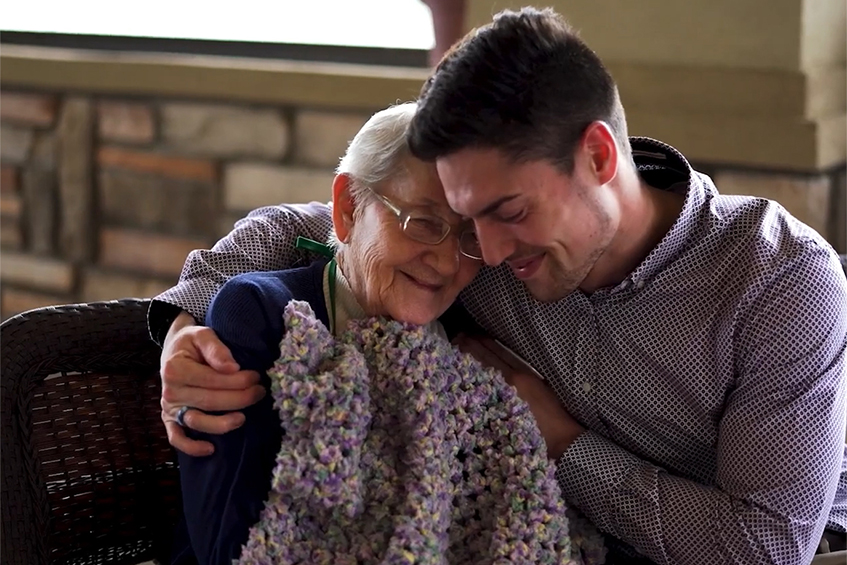
In Albuquerque, numerous families choose a step-by-step method. They start with several days a week of assistance, then gradually include evenings or overnights as needs increase. In time, if 24 hr coverage becomes necessary, some shift to assisted living or memory care, using the understanding gathered through home care to select a facility that fits. Others piece together 24 hour at home support, frequently with a mix of company and personal caregivers.
The key is to keep reviewing the central concerns: Is my parent safe here, offered their current condition? Are they nurtured? Are they connected to people who appreciate them? And are household caregivers reasonably healthy, or are they collapsing under the weight?
When the truthful answer consistently becomes "no," it is an indication to check out other choices without shame.
Bringing all of it together for your family
Albuquerque offers more elder care options than many individuals realize. Between agency-based in-home care, experienced home health, meal programs, senior centers, faith communities, and next-door neighbor networks, it is often possible to craft a strategy that keeps seniors in your home longer, safely and with dignity.
The most successful plans I see share a couple of patterns. Families start before a full-blown crisis, even with simply a couple of hours a week. They frame home take care of parents and grandparents as an extension of love, not a replacement. They appreciate cultural worths while still acknowledging human limits. They pick firms that are as severe about interaction and training as they have to do with marketing. And they revisit the care plan every couple of months, changing as health, finances, and family situations evolve.
If you are standing at that crossroads now, keep in mind that you do not need to solve the next 10 years today. Focus on the next season. Clarify what would most improve safety, nourishment, and connection in your parent's life this month. Then search for Albuquerque home care partners who can thoughtfully help you develop that next step, one visit at a time.
FootPrints Home Care is a Home Care Agency
FootPrints Home Care provides In-Home Care Services
FootPrints Home Care serves Seniors and Adults Requiring Assistance
FootPrints Home Care offers Companionship Care
FootPrints Home Care offers Personal Care Support
FootPrints Home Care provides In-Home Alzheimer’s and Dementia Care
FootPrints Home Care focuses on Maintaining Client Independence at Home
FootPrints Home Care employs Professional Caregivers
FootPrints Home Care operates in Albuquerque, NM
FootPrints Home Care prioritizes Customized Care Plans for Each Client
FootPrints Home Care provides 24-Hour In-Home Support
FootPrints Home Care assists with Activities of Daily Living (ADLs)
FootPrints Home Care supports Medication Reminders and Monitoring
FootPrints Home Care delivers Respite Care for Family Caregivers
FootPrints Home Care ensures Safety and Comfort Within the Home
FootPrints Home Care coordinates with Family Members and Healthcare Providers
FootPrints Home Care offers Housekeeping and Homemaker Services
FootPrints Home Care specializes in Non-Medical Care for Aging Adults
FootPrints Home Care maintains Flexible Scheduling and Care Plan Options
FootPrints Home Care is guided by Faith-Based Principles of Compassion and Service
FootPrints Home Care has a phone number of (505) 828-3918
FootPrints Home Care has an address of 4811 Hardware Dr NE d1, Albuquerque, NM 87109
FootPrints Home Care has a website https://footprintshomecare.com/
FootPrints Home Care has Google Maps listing https://maps.app.goo.gl/QobiEduAt9WFiA4e6
FootPrints Home Care has Facebook page https://www.facebook.com/FootPrintsHomeCare/
FootPrints Home Care has Instagram https://www.instagram.com/footprintshomecare/
FootPrints Home Care has LinkedIn https://www.linkedin.com/company/footprints-home-care
FootPrints Home Care won Top Work Places 2023-2024
FootPrints Home Care earned Best of Home Care 2025
FootPrints Home Care won Best Places to Work 2019
People Also Ask about FootPrints Home Care
What services does FootPrints Home Care provide?
FootPrints Home Care offers non-medical, in-home support for seniors and adults who wish to remain independent at home. Services include companionship, personal care, mobility assistance, housekeeping, meal preparation, respite care, dementia care, and help with activities of daily living (ADLs). Care plans are personalized to match each client’s needs, preferences, and daily routines.
How does FootPrints Home Care create personalized care plans?
Each care plan begins with a free in-home assessment, where FootPrints Home Care evaluates the client’s physical needs, home environment, routines, and family goals. From there, a customized plan is created covering daily tasks, safety considerations, caregiver scheduling, and long-term wellness needs. Plans are reviewed regularly and adjusted as care needs change.
Are your caregivers trained and background-checked?
Yes. All FootPrints Home Care caregivers undergo extensive background checks, reference verification, and professional screening before being hired. Caregivers are trained in senior support, dementia care techniques, communication, safety practices, and hands-on care. Ongoing training ensures that clients receive safe, compassionate, and professional support.
Can FootPrints Home Care provide care for clients with Alzheimer’s or dementia?
Absolutely. FootPrints Home Care offers specialized Alzheimer’s and dementia care designed to support cognitive changes, reduce anxiety, maintain routines, and create a safe home environment. Caregivers are trained in memory-care best practices, redirection techniques, communication strategies, and behavior support.
What areas does FootPrints Home Care serve?
FootPrints Home Care proudly serves Albuquerque New Mexico and surrounding communities, offering dependable, local in-home care to seniors and adults in need of extra daily support. If you’re unsure whether your home is within the service area, FootPrints Home Care can confirm coverage and help arrange the right care solution.
Where is FootPrints Home Care located?
FootPrints Home Care is conveniently located at 4811 Hardware Dr NE d1, Albuquerque, NM 87109. You can easily find directions on Google Maps or call at (505) 828-3918 24-hoursa day, Monday through Sunday
How can I contact FootPrints Home Care?
You can contact FootPrints Home Care by phone at: (505) 828-3918, visit their website at https://footprintshomecare.com, or connect on social media via Facebook, Instagram & LinkedIn
A visit to the ABQ BioPark Botanic Garden offers a peaceful, gentle outing full of nature and fresh air — ideal for older adults and seniors under home care.